
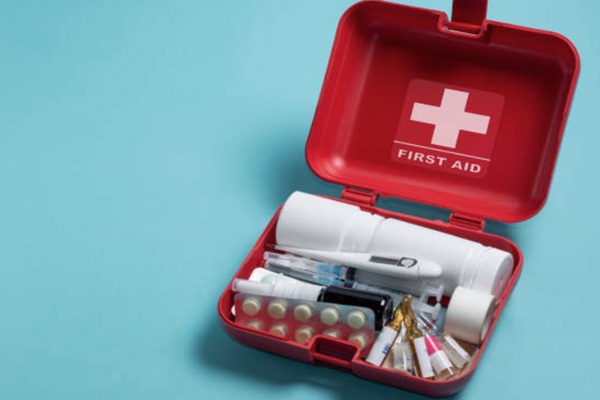
First aid has always been seen as a practical life skill, something people learn once and then rely on forever. In the past, that approach may have worked. Today, however, emergencies are more complex, workplaces are more regulated, and health risks evolve constantly. Relying on outdated knowledge can be just as risky as having no training at all. This is why learning first aid once is no longer enough in the modern world.
Emergencies Are Changing Faster Than Ever
The types of emergencies people face today are very different from those of even ten years ago. New medical research continues to reshape best practices for handling injuries, cardiac events, allergic reactions, and respiratory issues. Techniques that were once standard may now be revised or replaced. Without regular updates, people may respond using outdated methods that are less effective or even harmful. Keeping skills current through refreshers such as a first aid course townsville helps ensure responses match today’s safety standards.
Skill Fade Is a Real Problem
Even the most confident learners forget critical steps over time. Studies consistently show that practical skills decline when they are not used or reinforced. First aid techniques rely heavily on muscle memory and quick decision-making, both of which fade without practice. Someone who trained years ago may hesitate during an emergency or forget key steps under pressure. Repeating training through a first aid course in townsville allows individuals to rebuild confidence and sharpen their response when seconds matter.
Legal and Workplace Expectations Have Increased
Workplace safety laws and compliance requirements are becoming stricter across many industries. Employers are expected to maintain current first aid certifications among staff, especially in high-risk environments. An expired qualification may not meet regulatory standards, even if the individual once completed training. Regular first aid updates help ensure compliance while also creating safer work environments. This shift means that first aid is no longer a one-time checkbox but an ongoing responsibility.
CPR Guidelines Continue to Evolve
Cardiopulmonary resuscitation is one of the most time-sensitive emergency responses, and its guidelines change frequently as new research emerges. Compression depth, timing, and techniques are updated to improve survival rates. Relying on outdated CPR knowledge can reduce effectiveness in critical moments. Refreshing skills through cpr courses townsville helps people stay aligned with current protocols and increases confidence when responding to cardiac emergencies.
Increased Risk in Everyday Life
Modern lifestyles bring new risks into everyday environments. People are more active, workplaces are more dynamic, and communities are more interconnected. From gyms and childcare settings to public events and shared workspaces, the likelihood of witnessing an emergency has increased. First aid training prepares people not only for rare incidents but also for common situations such as falls, burns, and sudden illness. Relearning first aid helps people adapt their skills to real-world scenarios they may not have considered before.
Confidence Comes From Repetition, Not Memory
Confidence during emergencies does not come from remembering a certificate. It comes from repetition, updated knowledge, and realistic practice. People who refresh their training regularly are more likely to act quickly, communicate clearly, and support others effectively. Repeated learning builds calm decision-making and reduces panic in high-pressure situations.
First Aid Is a Lifelong Skill
First aid should be treated like driving or professional development, not something completed once and forgotten. As health risks evolve and expectations rise, ongoing training becomes essential. Learning first aid once may give a foundation, but staying prepared requires commitment. Regular refreshers ensure skills remain sharp, relevant, and ready when they are needed most.
